



In a move that underscores the delicate balancing act Pakistan maintains in its foreign relations, the Inter-Services Public Relations (ISPR), the media wing of Pakistan’s armed forces, has reportedly issued a directive banning local media from covering escalating tensions between the United Arab Emirates (UAE) and Saudi Arabia in Yemen. This development, first highlighted by a U.S.-based news outlet, has sparked debates on press freedom, military influence over journalism, and Pakistan’s strategic ties with Gulf nations. The alleged ban comes amid reports of a rift between two of Pakistan’s key allies, forcing Islamabad into a position of enforced neutrality.
Background on the UAE-Saudi Tensions
The conflict in Yemen has long been a proxy battleground for regional powers, with Saudi Arabia leading a coalition against Houthi rebels since 2015. The UAE, initially a staunch partner in this effort, has increasingly pursued its own interests, including supporting southern separatist groups that have clashed with Saudi-backed forces. Recent escalations, including military standoffs and diplomatic strains, have highlighted a growing divide between Riyadh and Abu Dhabi.
Pakistan, which relies heavily on economic aid, remittances, and military cooperation from both countries, finds itself in a precarious spot. Saudi Arabia is a major donor and hosts millions of Pakistani expatriates, while the UAE is a significant investor and trade partner. Any public discourse on the tensions could risk alienating one or both, prompting what appears to be a preemptive media clampdown.
The ISPR Directive: What We Know
According to a leaked message reported by Drop Site News, ISPR instructed all television channels and newspapers to cease coverage of the UAE-Saudi conflict in Yemen. The directive, described as a “complete silence” order, led to multiple outlets halting ongoing reports and removing previously published content. This was corroborated by Indian media outlet ThePrint, which detailed how Pakistani authorities engaged in behind-the-scenes diplomacy to manage the fallout while enforcing the media blackout.
Social media posts amplified the story, with users sharing screenshots and analyses of the alleged ISPR communication. One viral post from an account focused on geopolitics claimed the ban was part of a broader effort to protect Pakistan’s relations with its “closest allies.” However, not all reports were unanimous; some Pakistani voices, including a fact-checker from the Ministry of Information, dismissed the leak as “baseless propaganda” and noted the absence of coverage in major local outlets like Dawn or Geo News as evidence of its falsehood.
Despite these denials, the pattern aligns with historical precedents. ISPR has previously influenced media narratives on sensitive issues, such as internal political rallies or international disputes. For instance, in 2023, authorities banned coverage of a story from The Intercept regarding U.S. involvement in Pakistani politics, citing similar directives.
How the Ban Was Implemented
The enforcement appears swift and comprehensive. Following the directive, Pakistani media outlets reportedly reduced or eliminated stories on the Yemen standoff. Television channels, which often rely on ISPR for military-related briefings, complied to avoid repercussions such as license suspensions by the Pakistan Electronic Media Regulatory Authority (PEMRA).
Journalists and analysts have noted this as part of a broader trend of military oversight. In interviews, former military officials like Gen. Asad Durrani have acknowledged ISPR’s role in approving or banning analysts to push preferred narratives. This control extends to blackouts on political figures, such as past restrictions on coverage of Imran Khan.
Implications for Press Freedom and Diplomacy
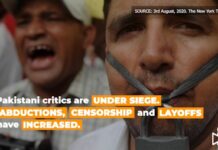
Critics argue that such bans erode journalistic independence in Pakistan, where media is already under pressure from both state and non-state actors. The incident raises questions about transparency: If tensions between UAE and Saudi Arabia affect regional stability, why shield the public from information?
Diplomatically, the move signals Pakistan’s intent to remain neutral. The Foreign Office has expressed solidarity with Saudi Arabia while welcoming de-escalation efforts, avoiding direct commentary on the rift. Yet, some speculate underlying motives, including accusations of “Indian-sponsored proxies” fueling unrelated domestic unrest, as stated by Pakistan’s defense chief.
As of January 5, 2026, the story continues to circulate on international platforms, but Pakistani airwaves remain notably silent. This episode highlights the ongoing tension between national security imperatives and the right to information, leaving observers to wonder how long such censorship can sustain in an era of global connectivity.