






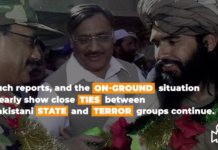



In the shadow of the protracted conflict in Gaza, Pakistani militant groups designated as terrorists by the United Nations are channeling humanitarian appeals into efforts to rebuild their own networks and bolster recruitment, according to recent reports from European analysts and assessments by security officials.
Groups like Jaish-e-Mohammad (JeM) and Lashkar-e-Taiba (LeT), both proscribed for their roles in attacks against India and beyond, have seized on the Israel-Hamas war to solicit donations under the guise of aid for Palestinians. A report recently published details how these organizations are raising funds for items like mosque reconstruction, prayer mats and winter kits, while diverting resources to revive terror infrastructure damaged by international sanctions.
The campaigns, often conducted through digital wallets, cryptocurrencies and mobile apps like Easypaisa, aim to evade scrutiny from global watchdogs such as the Financial Action Task Force (FATF), which has long criticized Pakistan’s lax enforcement against terror financing.
Family members of JeM’s founder, Masood Azhar — a U.N.-designated terrorist believed to be living freely in Pakistan — are at the forefront. His son, Hammad Azhar, and brother, Talha al-Saif, have been linked to these drives, promoting donations for “religious causes” that mask support for operations in Jammu and Kashmir. Similarly, LeT, infamous for the 2008 Mumbai attacks that killed 166 people, has leveraged online platforms to collect funds ostensibly for Gaza relief, but with ties to rebuilding training camps and arming recruits.
This tactic is not new, but the Gaza crisis, which has displaced millions and drawn global sympathy since October 2023, provides fresh cover. The U.S. State Department’s 2019 Country Reports on Terrorism highlighted Pakistan as a “safe harbor” for regionally focused groups like JeM and LeT, noting Islamabad’s failure to act against leaders like Azhar and Sajid Mir, the alleged Mumbai plotter. Despite indictments against LeT founder Hafiz Saeed on terror financing charges, enforcement remains inconsistent, allowing these outfits to operate with impunity.
Experts warn that this exploitation could exacerbate regional instability. The well-known Brookings Institution, in an analysis of counterterrorism strategies, has noted in past how passive governments like Pakistan’s enable jihadist networks to thrive, drawing parallels to pre-9/11 Saudi Arabia. The Global Terrorism Index, published by the Institute for Economics and Peace, has ranked Pakistan among the top countries impacted by terrorism, with groups like Tehrik-e-Taliban Pakistan (TTP) shifting focus amid declining deaths but persistent activity.
Also recent videos circulating on social media show senior Hamas figures sharing stages with LeT-linked operatives in Pakistan, raising alarms about potential alliances. Such cross-pollination could extend threats beyond South Asia, as seen in past plots like the failed 2010 Times Square bombing tied to TTP.
Pakistan’s government has denied harboring terrorists, pointing to military operations against domestic threats. But critics, including U.S. lawmakers in congressional hearings on terror finance, argue that unilateral actions fall short without multilateral pressure. As Gaza’s humanitarian needs mount — with over 40,000 reported deaths and widespread destruction — the diversion of aid by sanctioned groups underscores the challenges of policing global philanthropy in conflict zones.
The FATF, in its latest reviews, has urged Pakistan to strengthen oversight of nonprofits and digital transactions. Yet, with JeM and LeT’s networks resilient, the line between relief and radicalization blurs, posing risks to India, Afghanistan and potentially the West. As one European report concluded, these efforts not only fund violence but also radicalize youth disillusioned by the Gaza plight, perpetuating a cycle of terror.