




In the pitch-black hours of September 22, 2025, terror descended from the skies over Pakistan’s Tirah Valley in Khyber Pakhtunkhwa. Pakistani Air Force JF-17 fighter jets, loaded with deadly Chinese-made LS-6 precision-guided bombs, obliterated five civilian homes in Matre Dara village, burying at least 30 innocents—mostly defenseless women and children—under tons of rubble and flames.
Eyewitnesses recount blood-curdling screams piercing the night as families were ripped apart in a barrage of explosions around 2 AM. Bodies mangled beyond recognition were dragged from the debris by desperate survivors using their bare hands, painting a gruesome picture of state-sponsored carnage in a region already ravaged by endless conflict.
This isn’t mere tragedy—it’s a horrifying massacre that exposes the Pakistani military’s brutal disregard for human life, igniting fears of an all-out ethnic rebellion. Local leaders and opposition figures are screaming foul play, accusing the security forces of a premeditated airstrike under the guise of targeting Tehreek-e-Taliban Pakistan (TTP) militants.
PTI MNA Junaid Akbar blasted the attack on X, declaring that “bombs fell on the local population,” martyring children and women in a Pashtun-majority area where “seeds of hatred” are now sprouting into potential chaos.
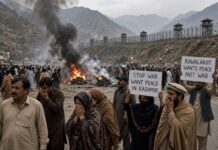
Iqbal Afridi, another PTI voice, shared a video confirming the “jet bombardment” by security forces, while protesters wave placards decrying “Pashtun blood has no value in Pakistan.”
Yet, the government and ISPR hide behind a wall of silence, with shadowy military-linked accounts peddling a sinister lie: the blasts stemmed from a TTP explosives cache detonating inside civilian homes.
This blatant cover-up reeks of a historical pattern—rare admissions of civilian casualties in anti-militant ops — leaving the world to wonder how many more atrocities go unpunished.
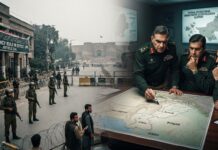
The fallout is explosive and escalating by the hour. On September 24, tensions boiled over in Khyber District as thousands stormed the streets in a massive sit-in, blocking roads and marching with coffins toward Peshawar’s Corps Commander House.
The Human Rights Commission of Pakistan (HRCP) has demanded for an impartial investigation into these alleged war crimes, warning that unchecked killings erode trust and fan the flames of unrest in volatile Khyber Pakhtunkhwa.
This blood-soaked debacle isn’t isolated—it’s a ticking bomb in Pakistan’s fractured northwest, where TTP resurgence since the 2021 Afghan Taliban takeover has blurred lines between counter-terrorism and civilian genocide.
Chief Minister Ali Amin Gandapur’s paltry compensation of 10 million rupees per victim does nothing to staunch the bleeding wounds of a betrayed populace.
As protests swell and ethnic Pashtun fury mounts, the risk of widespread violence looms like a gathering storm. How long before this sparks a full-scale uprising, destabilizing the entire region and drawing in global powers? Islamabad’s deafening silence isn’t just cowardly—it’s deadly.