

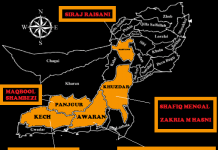




A chilling wave of violence is engulfing Balochistan, Pakistan’s beleaguered province, as separatist groups like the Balochistan Liberation Army (BLA), Balochistan Liberation Front (BLF), and Baloch Republican Army (BRAS) unleash a relentless insurgency. In a horrifying escalation, more than 200 lives—mostly security personnel but also innocent civilians—have been snuffed out in the last nine months alone. This escalating crisis threatens to unravel Pakistan’s stability and jeopardize the China-Pakistan Economic Corridor (CPEC), raising urgent questions about the region’s future. The situation demands immediate attention before it spirals further into chaos.
A Terrifying Chronology of Carnage
The insurgency, with roots stretching back to the 1940s, has erupted into a nightmare in 2025. It began ominously on January 16, when BLA and its allies seized control of parts of Balochistan, banning the Pakistani national anthem and flag in schools—a brazen challenge to state authority that sent shockwaves through the region, though casualties were mercifully low.
The bloodshed escalated dramatically on February 1, as BLA stormed military posts in Mangochar, Kalat, setting up checkpoints, launching a levies attack, and detonating a highway blast. The savage assault claimed the lives of 12 soldiers and one levies member. The horror peaked on March 11, when the BLA-Jeeyand faction hijacked the Jaffar Express near Quetta, holding over 400 passengers hostage for 48 agonizing hours. Operation Green Bolan, the military’s desperate response, ended in a gruesome toll: 26-30 hostages, four rescuers, and 33 militants dead, a stark reminder of the escalating stakes.
April brought a relentless barrage of terror. On April 15, an IED in Mastung obliterated three soldiers and injured 18. Two days later, in Kech, a bomb squad member was killed, followed by a grenade attack in Turbat. By April 20, BLA seized a levies post in Hoshab, and on April 25, an IED in Margat slaughtered 10 soldiers. These attacks reveal a terrifying sophistication in the insurgents’ arsenal.
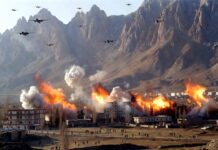
The summer months plunged the region into deeper despair. On July 11, Operation Baam saw BLA target army posts, boasting 18 soldier deaths. Between July 16 and 23, a horrifying wave of ambushes and IEDs in Awaran, Quetta, and Mastung by BLA, BLF, and BRAS killed four majors and approximately five soldiers, with eight more gravely injured. August emerged as the bloodiest month yet. On August 5, a BLA IED in Kardgap killed Major Rizwan and five others. On August 10, a BLA/BRAS ambush in Basima slaughtered nine soldiers, including a captain, and wounded five civilians. Between August 14 and 16, IEDs and gunfire in Zehri claimed 8-10 soldier lives, while an August 22 IED in Kalat killed 13. The month ended in a nightmarish crescendo with a railway bombing on August 25-26, murdering 23 non-Baloch workers and over 10 security personnel, followed by a BRAS IED attack on August 28 in Diz-Parome, Panjgur, which killed 12 soldiers.
Sinister Targets and Desperate Motives
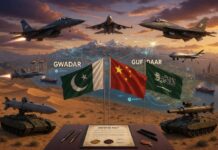
The insurgents’ wrath is aimed squarely at CPEC infrastructure, highways, and government installations, a chilling sign of their determination to sabotage what they decry as exploitative economic projects. The CPEC, a multi-billion-dollar lifeline connecting China’s Xinjiang to the Gwadar Port, is under siege, with separatists warning that it drains Balochistan’s resources and marginalizes its people. Fears loom that Chinese migration tied to CPEC could overwhelm the Baloch population by 2048, igniting a powder keg of ethnic tension.
Beyond economics, the conflict is fueled by a desperate cry for identity and an accusation of federal neglect. Decades of military crackdowns and alleged human rights abuses have stoked the separatists’radical goal of severing Balochistan from Pakistan.
A Dire Warning and a Perilous Future
With over 200 deaths staining 2025, this insurgency is a ticking time bomb for Pakistan’s stability and CPEC’s survival. The military’s heavy-handed response offers little hope, as critics scream that military might alone cannot extinguish the flames of economic and political despair. Media reports plead for urgent dialogue to address the root causes, yet past efforts like the 2009 Aghaz-e-Haqooq reform package have crumbled into irrelevance.
China and the international community watch in horror, their stakes in CPEC hanging by a thread. The insurgents’ growing sophistication — mastering IEDs and ambushes — makes the crisis even more volatile. If this bloodshed continues unchecked, Balochistan’s future hangs in the balance. The relentless push by separatist forces, coupled with the government’s failure to address grievances, could pave the way for the province to break free, emerging as an independent nation—a prospect that terrifies and electrifies the region in equal measure.