


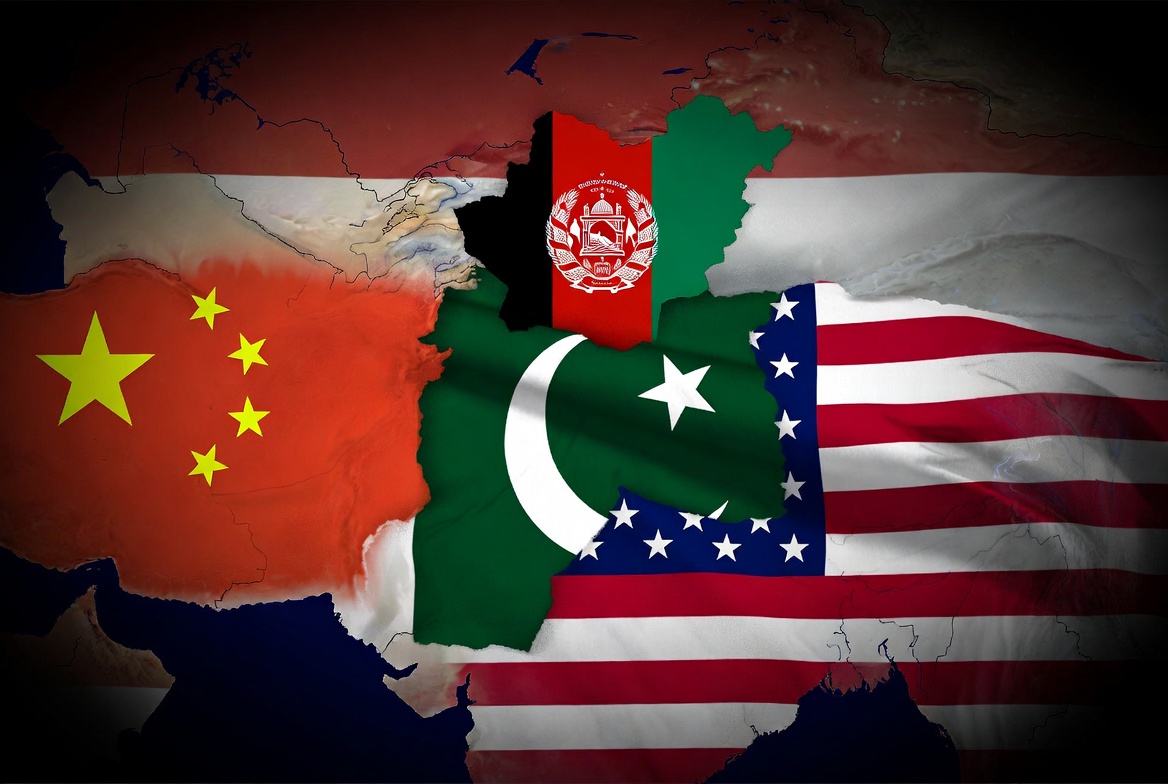
In the rugged borderlands where the Durand Line slices through history and hostility, Pakistan and Afghanistan are locked in what Islamabad has bluntly called an “open war.” Since late February 2026, Pakistani airstrikes have allegedly hammered TTP hideouts deep inside Afghan territory, triggering retaliatory Taliban attacks on border posts and a spiral of violence that has killed hundreds of innocent civilians in Afghanistan and shut down vital trade routes.
Beijing has stepped in hard—hosting fresh talks in Urumqi this week, pushing for an immediate ceasefire, border reopening, and verifiable action against the Tehrik-i-Taliban Pakistan (TTP). Chinese diplomats have leaned on both sides, citing shared stakes in regional stability and the threat of East Turkestan Islamic Movement fighters using Afghan soil. Yet for all of Beijing’s urgency, Islamabad shows no sign of folding. At the heart of this resistance stands Field Marshal Syed Asim Munir, Pakistan’s army chief turned de facto strongman, whose rapidly warming ties with Washington have given him the confidence to shrug off Chinese pressure.
Munir’s transformation from cautious balancer to America’s new favorite is striking. In June 2025, President Donald Trump hosted him for an unprecedented White House lunch—the first time a U.S. president has rolled out the red carpet for a Pakistani military chief who isn’t also head of state. Trump has since repeatedly called Munir “my favorite field marshal,” praising Pakistan’s role in accepting the May 2025 India ceasefire and its counterterrorism cooperation. Multiple follow-up visits to CENTCOM and meetings with U.S. Secretary of State Marco Rubio and Joint Chiefs Chairman General Dan Caine have cemented a “budding bromance.” Washington sees Munir as the reliable enforcer it needs in a volatile region: disciplined, image-savvy, and willing to act decisively against militants. For Pakistan’s military, the payoff is tangible—renewed defense ties, investor confidence, and diplomatic leverage at a time when the economy remains fragile.
China, by contrast, is watching its once-unshakable “all-weather” partnership fray at the edges. Beijing’s primary concern is not abstract peace but concrete self-interest: protecting CPEC investments, keeping Xinjiang secure, and ensuring Afghan-Pak trade corridors stay open. Yet when Munir visited China recently, he was reportedly grilled by Foreign Minister Wang Yi on the safety of Chinese nationals and projects rather than feted with Xi Jinping. Pakistani officials have made clear they will not accept half-measures on TTP sanctuaries. Islamabad has rejected Beijing’s push for quick concessions, insisting on “written assurances” and “verifiable action” from Kabul—language that signals zero tolerance for Taliban foot-dragging. Even as delegations sit in Urumqi, progress remains glacial. Pakistani sources describe the Taliban as evasive on TTP responsibility, while Islamabad refuses to de-escalate without ironclad commitments.
The shift is strategic. For decades, Pakistan has leaned heavily on China for arms, infrastructure, and diplomatic cover. But Munir’s calculation appears straightforward: U.S. goodwill offers immediate counterweight. America’s renewed embrace—framed around shared counterterrorism goals and regional stability—gives Pakistan breathing room to prioritize its core security interest: crushing the TTP threat that has surged since the Taliban’s 2021 return to power. Munir, who rose to power in 2022 and consolidated authority without a coup, understands that appearing weak on Afghanistan would erode his domestic standing. American praise, in turn, burnishes his image as a pragmatic international player.
Critics in Islamabad whisper that over-reliance on Washington risks repeating old cycles—transactional ties that cool when U.S. priorities shift. Yet for now, Munir’s bet looks shrewd. China can mediate, cajole, and threaten to slow CPEC funding, but it cannot match the political and military signaling coming from the White House.
The coming weeks will test this calculus. If talks collapse—as previous Qatar- and Turkey-brokered efforts have—Pakistan may escalate again, secure in the knowledge that Washington has its back. Beijing’s frustration is palpable, but Munir’s message is clear: friendship with America buys independence from Chinese lectures. In the high-stakes game along the Durand Line, the field marshal is betting that his new best friend in Washington matters more than old allies in Beijing. Whether that gamble delivers lasting security or simply prolongs the conflict remains the region’s most dangerous open question.


